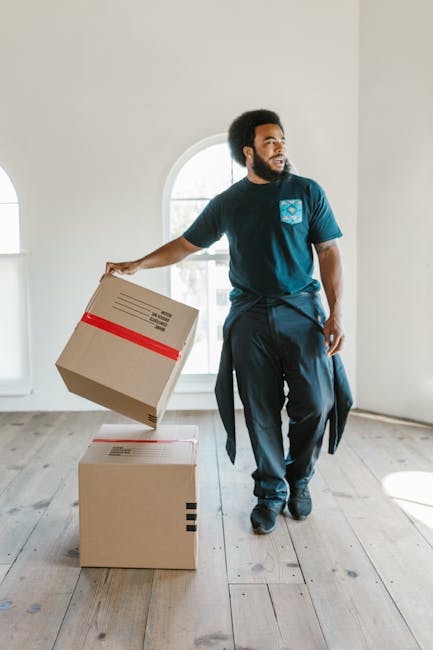
Abbeville Road removals tips for Clapham movers

Moving near Abbeville Road in Clapham can look straightforward on a map and then feel oddly complicated once the boxes are stacked, the clock starts ticking, and the van needs somewhere sensible to stop. That is usually the moment people realise a decent moving plan matters just as much as strong arms. These Abbeville Road removals tips for Clapham movers are designed to help you handle the practical side of a local move without the last-minute scramble.
Whether you are leaving a flat, moving into a house, shifting a few bulky items, or trying to fit a move around work and family life, the goal is the same: keep the day calm, protect your belongings, and avoid silly delays. Let's face it, nobody wants to spend moving day hunting for a loading space while a sofa blocks the hallway and someone is asking where the kettle went.
This guide breaks the move into clear steps, highlights local considerations, and explains when it makes sense to use a man and van, a full removal service, or a more specialised option such as flat removals or house removals. If you want a smoother move in this part of South London, the details below are the ones that actually matter.
- Why this move planning matters
- How a local Abbeville Road move works
- Key benefits and practical advantages
- Who this is for and when it makes sense
- Step-by-step guidance
- Expert tips for better results
- Common mistakes to avoid
- Tools, resources and recommendations
- Law, compliance, standards, or best practice
- Options, methods, or comparison table
- Case study or real-world example
- Practical checklist
- Conclusion
- Frequently asked questions
Why Abbeville Road removals tips for Clapham movers Matters
Abbeville Road sits in one of those London pockets where the environment shapes the move almost as much as the move itself. Streets can be busy, parking can be tight, and access is not always as forgiving as people hope. If you are moving from a top-floor flat or into a terraced property with narrow staircases, even a short-distance relocation can become a logistical puzzle.
That is why local advice matters. A move that would be easy on a wide suburban road can become awkward here if the van arrives too early, boxes are not labelled, or the lift is booked by someone else. The difference between a smooth move and a stressful one is often the boring stuff: timing, access, packing quality, and knowing what size vehicle you really need. Boring, yes. Useful, absolutely.
For Clapham movers, there is also the simple fact that many homes in the area are a mix of period conversions, mansion blocks, and compact flats. Those property types usually mean more carrying distance, more corners, and more care with furniture. The right removal plan saves time and lowers the risk of knocks, scrapes, and a slightly embarrassing "that looked bigger in the hallway" moment.
How Abbeville Road removals tips for Clapham movers Works
A good local removals process is not complicated, but it does work best when it is sequenced properly. First, you assess the property and the access. Then you decide whether you need a moving van, a removal van, or something larger such as a moving truck. After that, you pack in a way that matches the move, not just the room.
In practice, the process usually looks like this:
- Survey the property: note stairs, lifts, parking, long carry distances, and any awkward furniture.
- Choose the right service: a smaller move may suit a man with van option, while larger households may need full removals.
- Pack strategically: use proper boxes, wrap fragile items, and keep essentials separate.
- Prepare access: clear hallways, reserve lift time if needed, and check where the vehicle can stop.
- Load in the right order: heavy items first, essentials last, and fragile items secured away from pressure points.
- Deliver and unload methodically: place furniture where it belongs, not just where there is space.
This is the kind of structure that makes removals feel manageable. Without it, the day tends to unravel at the edges. With it, even a tight Clapham move can feel controlled and surprisingly quick.
Key Benefits and Practical Advantages
The obvious benefit is less stress. The less obvious one is that a well-planned move saves energy in a dozen tiny ways. You are not repeatedly re-lifting the same box, not arguing about whether a wardrobe fits, and not wondering where the charger, documents, or kettle have ended up.
Here are the main advantages of planning your Abbeville Road move properly:
- Fewer delays: access issues are dealt with before the van arrives.
- Lower breakage risk: better packing means less shifting in transit.
- More accurate pricing: the service you book matches the work required.
- Less physical strain: professionals handle the lifting, carrying, and positioning.
- Better time management: you can work around keys, check-out deadlines, and building access windows.
- Cleaner handover: a calmer move-out makes it easier to leave the property in good order.
There is also a quality-of-life benefit people underestimate. When the essentials are packed well and the route is thought through, moving day feels more like a sequence of jobs and less like a small domestic crisis. To be fair, that is worth a lot.
Who This Is For and When It Makes Sense
These tips are useful for anyone moving in or around Abbeville Road, but they are especially relevant if you are:
- moving from a one-bed or two-bed flat with stairs or a small lift;
- relocating a family home with more furniture and more boxes than expected;
- moving with limited time, such as on a lease changeover day;
- handling a student move with a mix of furniture, books, and personal items;
- moving expensive items that need extra care, such as mirrors or instruments;
- combining moving with storage because keys, dates, or decorating are not lining up neatly.
If your move is light and local, a smaller van-based service may be enough. If you have multiple rooms, heavy furniture, or a difficult access setup, a more comprehensive removal service tends to make more sense. The right choice depends on what you are moving, not just how far you are going. A one-mile move can still be a proper job.
This is also a good fit for anyone who simply wants things done properly the first time. Not glamorous. Just sensible.
Step-by-Step Guidance
Here is the part that helps most people: a practical move sequence you can actually follow.
1. Start with a realistic inventory
Walk through each room and list what is moving. Include awkward items like lamps, plants, under-bed storage, and anything that needs disassembly. People often forget the small stuff, and then the van is full while there is still a pile of random belongings by the door.
2. Decide what should not move with you
Some items are simply better sold, donated, recycled, or taken separately. Old furniture, duplicate appliances, and broken bits of kit can waste time if they are bundled in with everything else. If you have bulky pieces to clear, a service like furniture removals or furniture pick-up can be useful.
3. Choose the right packing method
Use sturdy boxes, not a random mix of supermarket cartons and overstuffed bags. Put heavy items in smaller boxes and lighter items in larger ones. It sounds obvious, but the number of people who pack books into giant boxes is, frankly, astonishing. For fragile items, use wrapping paper, towels, and proper padding. If you want help with materials or packing support, packing and boxes and packing and unpacking services are both worth considering.
4. Prepare the property before move day
Make hallway access clear, remove loose rugs, tape down cables where necessary, and make sure the route from each room to the exit is easy to walk. A quick five-minute tidy-up can save twenty minutes of awkward manoeuvring later. In buildings with communal areas, keep noise and obstruction in mind. Your neighbours will notice if a mattress is wedged in the corridor at 8 a.m. on a weekday.
5. Separate essentials
Keep documents, phone chargers, keys, medications, snacks, and a change of clothes in one clearly marked bag. This is the bag that saves the evening when everything else is already stacked in the right room but the toothbrush seems to have wandered off.
6. Load in a sensible order
Heaviest items first, then furniture, then medium boxes, then delicate or essential items. The aim is to keep the load stable and easy to unload in the right order. If you are moving from a flat, think carefully about which items need to come down first, especially if space near the front door is limited.
7. Check everything before leaving
Do a final sweep of cupboards, windowsills, utility spaces, and behind doors. Look inside the washing machine, fridge, and airing cupboard if you have one. It is usually the tiny forgotten item that causes the biggest annoyance later. A remote control, a set of keys, a favourite mug. Always one of those.
Expert Tips for Better Results
There are a few habits that make a move noticeably easier, and they are not hard to do. You just need to remember them before the boxes pile up.
- Label by room and priority: write both the room name and whether the box is "open first" or "not urgent".
- Photograph cable setups: before unplugging TVs, routers, or desks, take a quick picture so reassembly is less annoying.
- Keep screws in named bags: tape them to the item they belong to if that is easier.
- Protect corners: use cardboard or blankets around furniture edges to reduce scuffs.
- Measure awkward items: especially sofas, wardrobes, and bed frames. Do not guess. Guessing is how people end up twisting a sofa through a doorway for twenty minutes like it is some sort of ritual.
- Ask about access in advance: mention stairs, parking, and any restrictions early so the right vehicle and crew can be planned.
Expert takeaway: the smoothest local moves are rarely the fastest ones on paper; they are the ones where the packing, access, and vehicle size are matched properly from the start.
One more thing: if you are moving during a warm spell, keep water to hand and do the heavy lifting earlier in the day. If it is a wet London morning, protect floors and box bottoms a bit more than you think you need to. You will thank yourself later.
Common Mistakes to Avoid
Most moving problems are avoidable. The trouble is they often feel small until the van is outside and the clock is running.
- Booking the wrong vehicle size: too small means multiple trips; too large can be awkward for tight streets and access.
- Packing too late: last-minute packing usually creates damaged items and forgotten essentials.
- Ignoring building access rules: lifts, entry codes, and loading restrictions can easily slow things down.
- Overfilling boxes: this leads to tears, dropped boxes, and sore backs.
- Not checking insurance: you should understand what is covered and how items are handled in transit. A reliable provider should be happy to explain this, including details set out in their insurance and safety information.
- Forgetting disposal: if you leave unwanted items until the end, they have a habit of becoming the most annoying part of the move.
The biggest mistake, though, is assuming a short move needs no planning. In Clapham, local does not necessarily mean simple. A local move just means the problems arrive faster if you ignore them.
Tools, Resources and Recommendations
You do not need a warehouse full of equipment, but a few basic tools make life much easier. Most local moves run better when you have the following ready:
- strong boxes in a few different sizes;
- packing tape and a dispenser;
- marker pens for labelling;
- bubble wrap or paper for fragile items;
- blankets or covers for larger furniture;
- trolley or sack barrow if you are moving heavy items yourself;
- bin bags for soft goods and last-minute clear-outs;
- basic tools for dismantling beds, tables, or shelving;
- door protectors and floor coverings if access is tight.
If you need extra space between move-out and move-in, storage can be a practical bridge rather than trying to force every item into one day. That is especially useful if completion times are uncertain or decorating is running a bit behind. Truth be told, a bit of storage can remove a lot of pressure.
For bigger projects, a larger vehicle or a more structured team may be easier than managing several small trips. That is where removal truck hire or a full team can help, depending on how much you are moving and how much carrying is involved.
Law, Compliance, Standards, or Best Practice
For a domestic move, most of the important issues come down to good practice rather than anything especially formal. Still, a careful mover should think about safety, access, and handling standards. In the UK, that generally means taking reasonable care with lifting, protecting people and property, and making sure the move is carried out in a safe and organised way.
If you are moving in shared buildings, also think about property rules, quiet hours, and common-area access. Some flats and mansion blocks are stricter than people expect. It helps to confirm lift bookings, entry codes, and parking arrangements in advance rather than assuming it will all work out on the day. Spoiler: it often does not.
Good providers should also be clear about what they are responsible for, what insurance is in place, how items are handled, and what the customer needs to prepare. If you are comparing options, it is sensible to review policies such as health and safety, terms and conditions, and payment and security. Those pages are not exciting reading, admittedly, but they do tell you a lot about how a company operates.
For environmental considerations, many movers also prefer to reduce waste where possible, reuse packing materials, and dispose of unwanted items responsibly. If that matters to you, take a look at recycling and sustainability before you book.
Options, Methods, or Comparison Table
Different moves need different levels of support. A quick comparison can help you decide what makes sense for Abbeville Road and the wider Clapham area.
| Option | Best for | Pros | Trade-offs |
|---|---|---|---|
| Self-move | Very small loads and short distances | Lowest direct cost, full control | High effort, more risk of damage or delay |
| Man with a van | Light-to-medium local moves, single flats, furniture runs | Flexible, practical, often quicker to arrange | May not suit large households or complex access |
| Removal services | Standard home moves and mixed loads | More support, better for planning and lifting | Usually more involved than a simple van hire approach |
| House removals | Full-property moves | Good for families and larger furniture sets | Needs more planning and may involve a bigger crew |
| Same-day removals | Urgent or unexpected moves | Fast response when timing is tight | Less flexibility and often less time to organise ideal packing |
If you are not sure which route to take, the decision usually comes down to volume, access, and time pressure. That is the honest version. Not fancy, but it works.
Case Study or Real-World Example
Imagine a couple moving from a two-bedroom flat off Abbeville Road into a maisonette a short drive away in Clapham. They have a bed frame, a sofa, a dining table, books, kitchenware, and the usual mountain of odd items that somehow appear in every home. Nothing extreme, but enough to fill a van properly.
At first, they think a quick afternoon move will do it. Then they remember the narrow stairwell, the parking uncertainty, and the fact that the sofa needs to turn on the landing. So they split the work into phases. They pack non-essentials early, label everything by room, and keep one box for kettles, mugs, toiletries, and chargers. They also measure the sofa and wardrobe in advance, which turns out to be a very wise move indeed.
On moving day, the van arrives when access is clear. The larger furniture goes out first, fragile items are wrapped properly, and the unload at the new place is calmer because boxes have been grouped by room. The whole thing still feels like a moving day, of course. There is always some chaos. But it is the manageable kind, not the spiralling kind.
The real lesson? A local move gets easier when you respect the small details. The distance is short, but the work still needs structure.
Practical Checklist
Use this checklist in the final 48 hours before the move.
- Confirm moving date, arrival time, and property access.
- Check parking arrangements and any loading restrictions.
- Measure large items and doorways if access might be tight.
- Finish packing all non-essential rooms.
- Label every box by room and priority.
- Keep valuables, documents, and chargers in one safe bag.
- Disassemble furniture that needs it, and store fixings safely.
- Protect delicate items with wrapping and padding.
- Clear hallways, stairs, and exits before the crew arrives.
- Defrost and clean appliances if they are moving with you.
- Do a final sweep of cupboards, loft spaces, and under beds.
- Take meter readings if relevant.
- Keep water, snacks, and a phone charger handy for the day itself.
Expert summary: the best Abbeville Road move is usually the one that feels almost ordinary on the day. That happens when the packing is disciplined, the access is checked, and the right size service is booked well ahead of time.
Get a free quote today and see how much you can save.
Conclusion
Abbeville Road removals do not need to be overwhelming. The trick is to treat the move like a sequence of small decisions rather than one huge problem. Once you have thought through the access, packing, timing, and vehicle size, the rest becomes much more manageable.
If you are moving locally in Clapham, take the time to prepare properly, keep your essentials separate, and choose a service level that suits the reality of the job rather than the ideal version in your head. That one bit of honesty saves a lot of stress. And, usually, a few sore shoulders too.
Move well, keep it simple, and give yourself enough breathing room on the day. A calm move is still possible, even in London.
Frequently Asked Questions
What are the most important Abbeville Road removals tips for Clapham movers?
The biggest wins usually come from planning access, packing properly, choosing the right vehicle, and separating essentials. If those four things are handled well, the move becomes much easier.
Is a man and van enough for a move near Abbeville Road?
For smaller flats, light furniture, or a modest load, it often is. If you are moving a full house, large wardrobes, or several bulky items, a bigger removals option may be more practical.
How far in advance should I book removals in Clapham?
As early as you reasonably can, especially if you are moving at the weekend, at month-end, or during a busy period. Early booking gives you more choice and less pressure.
What should I pack separately for moving day?
Keep keys, chargers, medication, documents, toiletries, a change of clothes, snacks, and basic cleaning items in a separate essentials bag or box.
Do I need to dismantle furniture before the move?
Only if it helps with access or safety. Beds, tables, shelving, and some wardrobes often move better when partially dismantled. Keep the screws and fittings together and clearly labelled.
What if I need to move out and the new place is not ready yet?
That is where temporary storage can be useful. It gives you breathing space rather than forcing a rushed same-day handover.
Are same-day removals suitable for local Clapham moves?
They can be, especially if the move is urgent or the load is straightforward. The trade-off is that there is less time to prepare, so packing and access need to be as tidy as possible.
How do I avoid damage to furniture during a flat move?
Wrap corners, use blankets, avoid overloading boxes, and measure large items before moving them through stairwells or doorways. Fragile items should be packed with enough padding to stop them shifting.
What should I ask a removals provider before booking?
Ask about vehicle size, access requirements, insurance, loading help, timing, and any extra costs that could apply. A clear answer usually tells you a lot about how organised the service is.
Can removals help with unwanted furniture too?
Yes, depending on the service. If you have bulky items to dispose of or pass on, options like furniture removals and furniture pick-up can help clear space without extra hassle.
What is the best way to prepare a flat on Abbeville Road for movers?
Clear corridors, protect floors where needed, label boxes by room, and make sure the route from each room to the exit is open. If the building has lift or access rules, confirm them before the van arrives.
When does it make sense to use professional removals instead of doing it myself?
If you have heavy furniture, limited time, tricky access, or simply want to reduce the physical strain, professional help is usually worth it. For larger or more complex moves, it often saves time and stress overall.